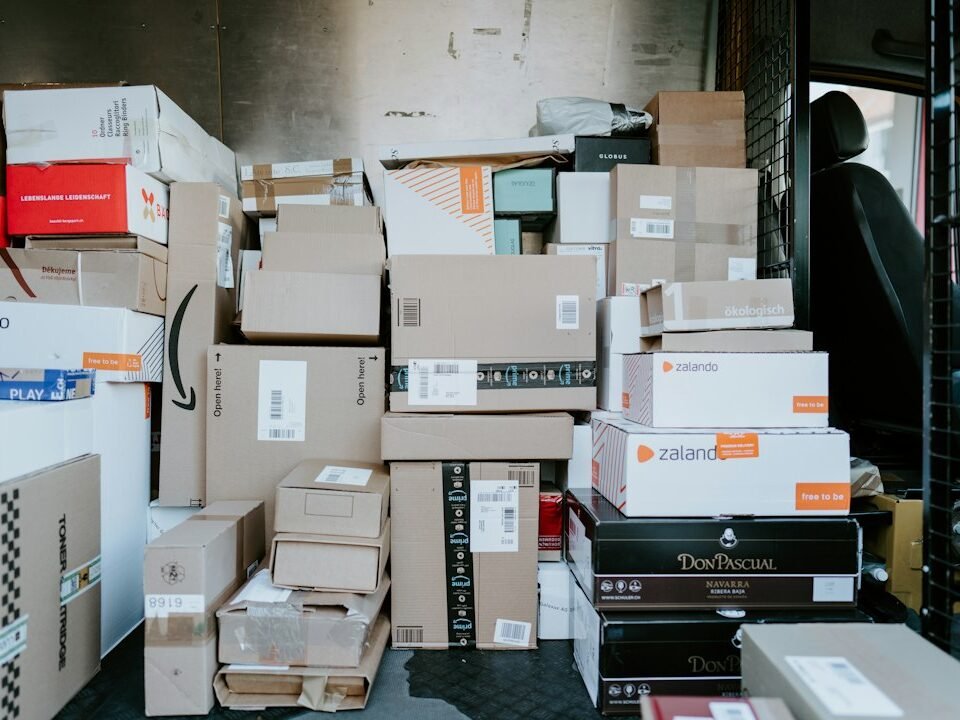
Dropshipping gets sold on YouTube as the easiest online business in the world: no stock, no warehouse, start with ₹5,000, quit your job in three months. Some of that is true. You really don’t need to buy stock. The rest leaves out the part that decides whether an Indian dropshipping store makes money or quietly burns it: cash on delivery, returns, and ad costs.
We build and market ecommerce stores at Siteart, and we’ve seen dropshipping work well for founders who treat it as a real brand and badly for people who treat it as a shortcut. This guide covers both sides honestly: the rules, the real costs in rupees, where Indian dropshippers find suppliers, and a per-order profit breakdown that shows where the money actually goes.
How dropshipping works
- You build an online store, usually on Shopify or WooCommerce, and list products from a supplier at your own price.
- A customer orders from your store and pays you, online or on delivery.
- You pass the order to the supplier and pay them the wholesale price.
- The supplier packs and ships the product to your customer, ideally under your brand name.
- You keep the difference, minus every cost along the way: payment fees, shipping, ads and returns.
The appeal is obvious. No stock means no money stuck in unsold products, and you can test dozens of products without filling a room with boxes. The trade-off is just as clear: you don’t control quality, packaging or delivery speed, yet the customer blames you when something goes wrong.
Is dropshipping legal in India?
Yes. There’s no law against it, and thousands of Indian stores run this way. What makes a dropshipping business legal or not is whether you follow the same rules as any other online seller:
- Business registration. A sole proprietorship is the simplest start. Udyam registration is free and useful. Many founders move to an LLP or private limited company as they grow.
- GST. The general threshold for goods is ₹40 lakh turnover in most states. But if you sell goods to customers in other states, registration is usually required from the start regardless of turnover, and payment gateways and suppliers often ask for a GSTIN anyway. Get this checked by a CA for your exact setup.
- Consumer Protection (E-Commerce) Rules. Your store must show your business details, a working grievance contact, clear prices including all charges, and honest return and refund policies.
- Legal Metrology labelling. Packaged products need correct MRP, net quantity, manufacturer or importer details and country of origin. Your supplier usually handles the label, but you’re responsible for what your listing says.
- Product rules. Cosmetics, food, supplements, electronics and toys can need specific certifications. Avoid regulated categories until you understand them.
How much does it cost to start dropshipping in India?
Here’s a realistic budget for a lean, single-niche store in 2026. You can spend less, but cutting ad testing too far means you’ll never find out what sells.
| Item | Typical cost | Notes |
|---|---|---|
| Shopify plan | ₹1,499–1,994 per month + 18% GST | Basic plan; trial offers often bring the first months down to a token amount |
| Domain | ₹800–1,500 per year | .com or .in |
| Theme and apps | ₹0–5,000 per month | Free themes are fine to start; add apps only when you need them |
| Product samples | ₹2,000–8,000 | Non-negotiable. Test quality and delivery yourself |
| Logo and basic branding | ₹0–10,000 | Keep it simple at first |
| Ad testing budget | ₹10,000–30,000 | Meta and Google ads to find a winning product |
| Business registration | ₹0–5,000 | Udyam is free; GST registration is free but a CA may charge |
| Lean total to start | ₹15,000–50,000 | Excluding your own time |
Siteart estimates for a small Indian store in 2026. Shopify prices from Shopify’s India pricing page; confirm current offers before you sign up.
Remember the per-order costs too: payment gateways typically charge around 2% plus GST on each online payment, and on Shopify’s Basic plan Shopify adds a 2% fee when you use a third-party gateway like Razorpay. On a ₹1,000 order, that’s about ₹40 to ₹45 before shipping.
Where to find dropshipping suppliers in India
Domestic suppliers are almost always the better choice for Indian customers, who are used to delivery in two to five days and to paying cash on delivery. Here are the main routes:
| Supplier type | Examples | Good for | Watch out for |
|---|---|---|---|
| Indian dropshipping platforms | BaapStore, GlowRoad and similar | Fast start with ready catalogues and app integrations | Same products on hundreds of stores, so price wars |
| Print-on-demand | Qikink and similar | T-shirts, hoodies, mugs and phone cases with your own designs | Lower margins; your designs are the product |
| Wholesalers and manufacturers | Suppliers on IndiaMART or TradeIndia, local manufacturers | Better margins and unique products once you know what sells | Need negotiation, minimum orders, reliability checks |
| International suppliers | AliExpress-style platforms | Testing unusual products | Slow delivery, customs, almost no COD, high return pain |
How to vet a supplier before you list a single product
- Order samples to your own address and to a friend in another city. Time the delivery.
- Check packaging. Will it reach your customer unbroken, and can they ship without the supplier’s branding?
- Ask about returns. Who pays for RTO and damaged items? Get it in writing.
- Check stock reliability. Ask how they handle out-of-stock items, and whether stock levels sync to your store automatically.
- Start with a few products. Test five to ten products with one supplier before adding more.
The real profit killer: COD and RTO
Most Indian online shoppers like paying cash on delivery, especially outside metros. The problem is that some of them order on impulse and refuse the parcel when it arrives. That’s RTO, or return to origin. You pay shipping both ways, the product comes back, maybe damaged, and you earn nothing.
COD-heavy fashion and apparel stores in India have reported RTO rates of about 21% to 32% in FY2026. At those levels, a store that looks profitable on paper can easily run at a loss.
How to bring RTO down
- Confirm every COD order on WhatsApp or by call before dispatch. Unconfirmed orders are the riskiest.
- Reward prepaid orders with a small discount or free shipping. Prepaid orders rarely come back.
- Block repeat refusers and fake addresses by pincode or phone number.
- Set honest delivery dates. The longer delivery takes, the more likely the customer changes their mind.
- Use partial COD for expensive items: a small advance online, the rest on delivery.
A worked example: where the money goes on one order
Here’s an honest breakdown for a typical product, a ₹799 kitchen organiser bought from an Indian supplier at ₹330 including their packing and shipping.
| Line | Amount |
|---|---|
| Selling price (incl. 18% GST) | ₹799 |
| GST inside the price | −₹122 |
| Supplier price incl. shipping | −₹330 |
| Payment gateway + Shopify fee (about 4% of price) | −₹32 |
| Ad cost per order (Meta ads) | −₹150 |
| Expected RTO cost per order (20% COD orders refused) | −₹28 |
| Profit per order | about ₹137 |
Illustrative figures. If you’re GST-registered you can usually claim input tax credit on the supplier’s GST and fees, which improves the margin. Run your own numbers with our profit margin calculator and shipping cost calculator.
Notice that ad cost is the second-largest line after the product itself. That’s why most successful dropshippers eventually do three things: raise average order value with bundles, get repeat customers through WhatsApp and email, and build organic Instagram content, so they aren’t paying for every single sale.
What sells well for dropshipping in India
The best products share a few traits: light and hard to break, priced roughly ₹500 to ₹2,000, solving a clear problem, and hard to find in a local shop. Categories that often fit:
- Home and kitchen organisers, storage and cleaning tools
- Phone, laptop and car accessories
- Fitness accessories like resistance bands, grips and yoga gear
- Pet accessories
- Personal care tools (not regulated cosmetics until you understand the rules)
- Print-on-demand apparel with designs for a specific community, city or fandom you understand
Avoid fragile, bulky and heavily regulated products when you start: glassware, large furniture, supplements, medical devices and electronics that need certification.
How to start dropshipping in India, step by step
- Choose one niche you understand, like fitness for working women or accessories for car owners. Narrow beats broad.
- Shortlist 10 products and order samples from two or three suppliers.
- Register your business and sort out GST with a CA.
- Build your store on Shopify or WooCommerce with clear policies, real product photos and honest delivery times.
- Set up payments and COD rules: a payment gateway, COD confirmation, and a prepaid incentive.
- Test with a small ad budget, ₹500 to ₹1,000 a day across three to five products for a week or two. Track cost per order, not just clicks.
- Double down on winners and drop the rest. Then build content, bundles and repeat purchases around them.
- Track everything: tag every ad and influencer link with a UTM link so you know which channel really sells.
Common dropshipping mistakes in India
- Using slow international suppliers while offering COD to Indian customers.
- Not counting ad cost and RTO when pricing products.
- Selling the exact same product as hundreds of other stores with the same photos.
- Ignoring customer service. Fast replies on WhatsApp save orders and reduce refusals.
- Scaling too fast before delivery and return problems are solved.
- Never building a brand. A store with no story, no content and no repeat customers has to pay for every sale forever.
The bottom line
Dropshipping in India is legal, cheap to start and a genuinely good way to learn ecommerce. It is not easy money. The stores that last pick a niche, work with Indian suppliers they’ve tested, keep RTO low with COD confirmation and prepaid incentives, and slowly turn a product list into a brand people buy from again.
If you go in with a ₹30,000 budget, realistic expectations and a spreadsheet that counts every cost per order, you’ll know within two or three months whether you’ve found something worth scaling.
Free tools for online sellers
- Profit Margin Calculator: margin vs markup, with GST.
- Shipping Cost Calculator: courier cost by weight, zone and COD.
- Volumetric Weight Calculator: the weight your courier will really bill.
Sources
- Shopify India pricing page, 2026
- Qikink Dropshipping Action Guide, September 2026, citing ClickPost FY2026 RTO data
- Shiprocket, Dropshipping legal requirements in India, May 2026
- Consumer Protection (E-Commerce) Rules, 2020, and Legal Metrology (Packaged Commodities) Rules, 2011